
Get Arborist Pruning in Lincoln County, MO
Arborist pruning services for Lincoln County, MO, and nearby areas address safety concerns, improve tree health, remove hazard limbs, and shape trees for aesthetic or structural purposes.
Arborist pruning services are essential for maintaining the health and appearance of trees on residential properties throughout Lincoln County, MO. Proper pruning can help prevent potential hazards by removing weak or damaged branches, reducing the risk of falling limbs during storms or high winds. Additionally, well-executed pruning enhances the overall safety of the property, making outdoor spaces more comfortable and secure for family activities and gatherings.
Beyond safety, professional pruning can significantly improve a tree’s functionality and durability. Regular maintenance helps promote better air circulation and light penetration, supporting healthier growth and reducing the likelihood of disease. It also boosts curb appeal by shaping trees to complement the landscape, which can increase property value and reduce ongoing maintenance needs by preventing overgrowth and decay. Contacting experienced local arborists ensures that these benefits are achieved with expert care tailored to the specific landscape of Lincoln County homes.
- Deadwood Removal - performed when removing diseased or damaged branches to promote tree health and safety.
- Thinning - needed to reduce density and improve air circulation within the canopy of mature trees.
- Structural Pruning - used to correct weak branch unions and improve the overall structure of young or developing trees.
- Formative Pruning - important for shaping young trees to establish a healthy growth pattern and aesthetic form.
- Emergency Pruning - required following storm damage or storm-related hazards to prevent further risks in residential or commercial areas.
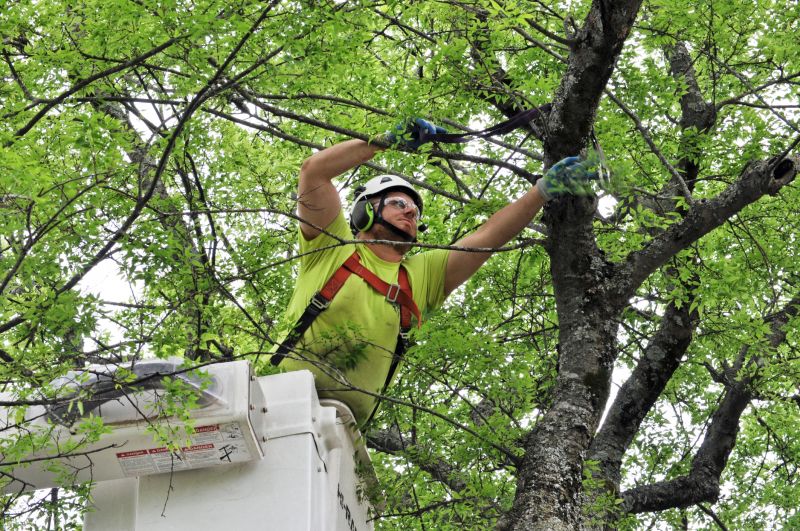
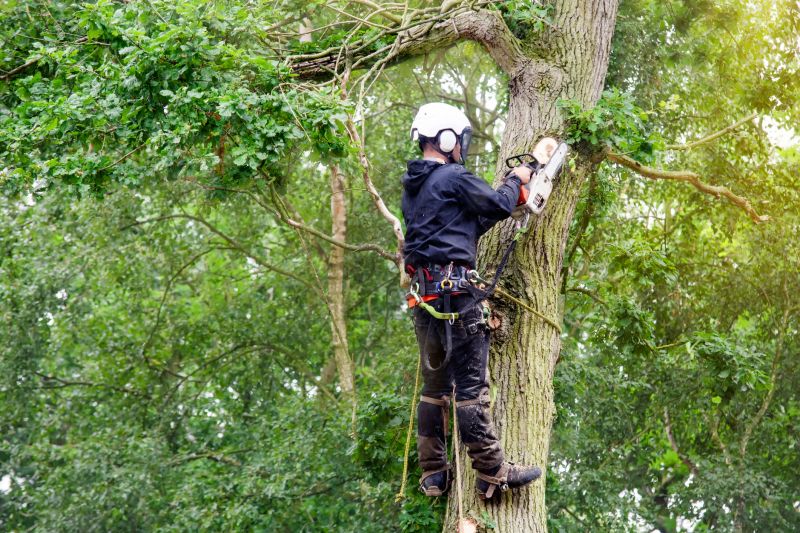
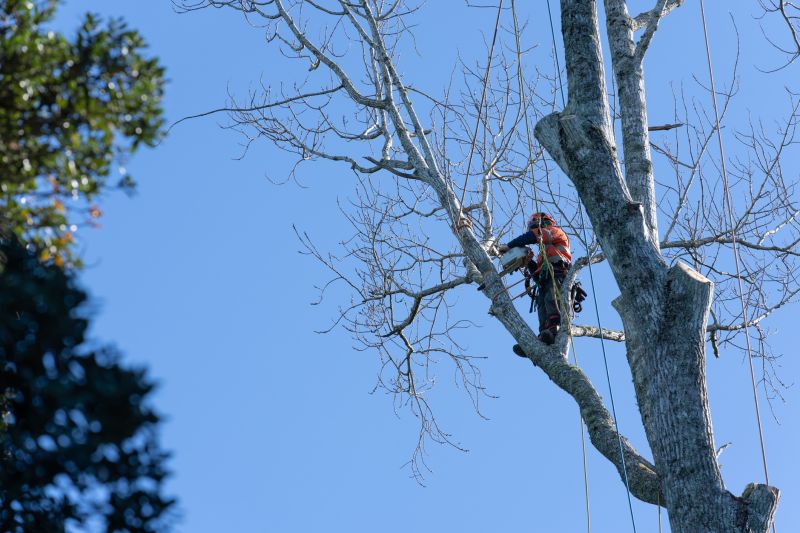
Arborist pruning services involve the careful trimming and shaping of trees to promote their health, safety, and aesthetic appeal. Skilled professionals assess each tree’s structure, identifying branches that may be weak, damaged, or growing in undesirable directions. The pruning process can include removing dead or diseased limbs, reducing the size of overgrown branches, and thinning out dense canopies. Proper pruning techniques help ensure that trees grow strong and resilient, reducing the risk of falling branches or structural failure, especially during storms or high winds.
This service addresses several common problems associated with trees on residential, commercial, and public properties. Overgrown branches can obstruct views, interfere with power lines, or pose safety hazards to pedestrians and vehicles. Diseased or damaged limbs can weaken the overall health of a tree, making it more susceptible to pests and decay. Additionally, poorly maintained trees can become aesthetically unpleasing or unbalanced, detracting from the property’s appearance. Arborist pruning helps mitigate these issues by maintaining the integrity and visual appeal of trees while reducing potential hazards.
Properties that typically utilize arborist pruning services vary widely in size and purpose. Residential properties often have trees that require regular trimming to enhance curb appeal and prevent property damage. Commercial properties, parks, and public spaces benefit from professional pruning to maintain safety and visual consistency. Urban environments with limited space for root growth and canopy expansion also rely on pruning to ensure trees do not interfere with infrastructure or obstruct pathways. Regardless of the property type, professional arborist pruning helps maintain the health and safety of trees within the landscape.
Engaging with local arborist pruning professionals provides property owners with tailored solutions for their trees’ needs. These experts evaluate each tree’s unique characteristics and environmental conditions to determine the most appropriate pruning approach. Routine pruning can extend the lifespan of trees and improve their overall appearance, while corrective pruning addresses specific problems like storm damage or disease. Contacting experienced arborist service providers ensures that trees are cared for properly, supporting the safety, beauty, and longevity of a variety of properties across Lincoln County, MO, and nearby areas.
The overview below groups typical Arborist Pruning projects into broad ranges so you can see how smaller, mid-sized, and larger jobs often compare in Lincoln County, MO.
In many markets, a large share of routine jobs stays in the lower and middle ranges, while only a smaller percentage of projects moves into the highest bands when the work is more complex or site conditions are harder than average.
Basic Pruning - Typically costs between $150 and $450 for standard tree trimming, depending on tree size and complexity. Small trees usually fall on the lower end of this range, while larger trees may cost more.
Thinning and Crown Reduction - These services generally range from $200 to $600, with costs influenced by tree height and density. More extensive reductions or multiple trees can increase the overall expense.
Deadwood Removal - Expect to pay approximately $100 to $300 for removing dead branches from individual trees. The price varies with tree size and the number of branches needing removal.
Stump Removal - Stump grinding services typically cost between $75 and $300 per stump, depending on stump size and accessibility. Larger or more complex stumps may be at the higher end of the range.
Actual totals will depend on details like access to the work area, the scope of the project, and the materials selected, so use these as general starting points rather than exact figures.
Tree Pruning - Local arborists provide pruning services to maintain tree health, shape, and safety by removing dead or overgrown branches.
Crown Thinning - Professionals offer crown thinning to reduce weight and wind resistance, helping to prevent storm damage and promote better light penetration.
Structural Pruning - Experts perform structural pruning to improve tree stability and reduce the risk of branch failure, especially in mature or hazardous trees.
Formative Pruning - Young trees benefit from formative pruning to establish strong growth patterns and develop a desirable shape from the start.
Deadwood Removal - Local pros remove dead or diseased branches to enhance tree safety and reduce the likelihood of falling debris.
Storm Damage Pruning - After storms, arborists can assess and prune damaged limbs to restore tree integrity and minimize hazards.
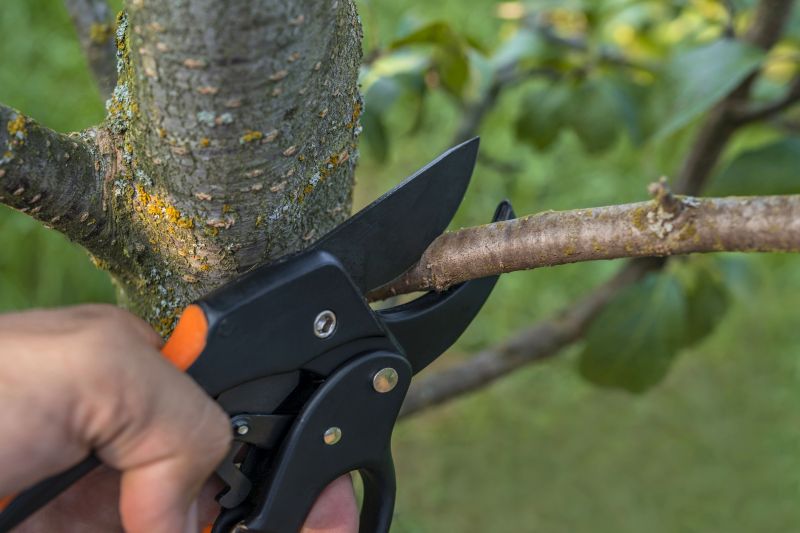
When selecting an arborist for pruning services, it is important to consider the experience of local professionals. Homeowners should look for providers with a proven track record in tree pruning, ensuring they have handled similar projects in the past. Reputable references and reviews from previous clients can offer insights into their expertise and reliability. Clear communication about the scope of work and expectations helps ensure that both parties are aligned, reducing the likelihood of misunderstandings or unmet needs.
Written expectations are a key aspect of working with local arborist services. Homeowners should seek providers who can clearly outline the planned pruning methods, the extent of the work, and any specific considerations for their trees or property. Detailed descriptions of what will be done help establish a mutual understanding and serve as a reference throughout the project. It is beneficial to discuss how the work will be performed and to confirm that the arborist’s approach aligns with the homeowner’s goals.
Reputable local arborist services are often identified through trusted references and consistent communication. Homeowners should inquire about previous client experiences and seek recommendations from neighbors or community members. Consistent and transparent communication from the service provider regarding project details, scheduling, and any potential issues fosters confidence and ensures that expectations are managed effectively. Since the information below connects homeowners with local professionals, it is recommended to contact multiple providers to compare their experience, communication style, and references before making a decision.
Property owners in Lincoln County, MO use Arborist Pruning services for practical projects around their homes and businesses. The sections below highlight everyday jobs and straightforward project options.
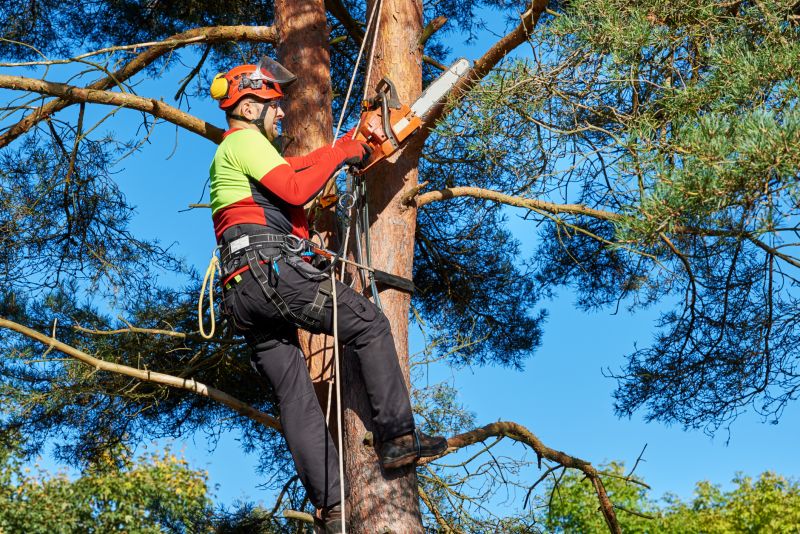
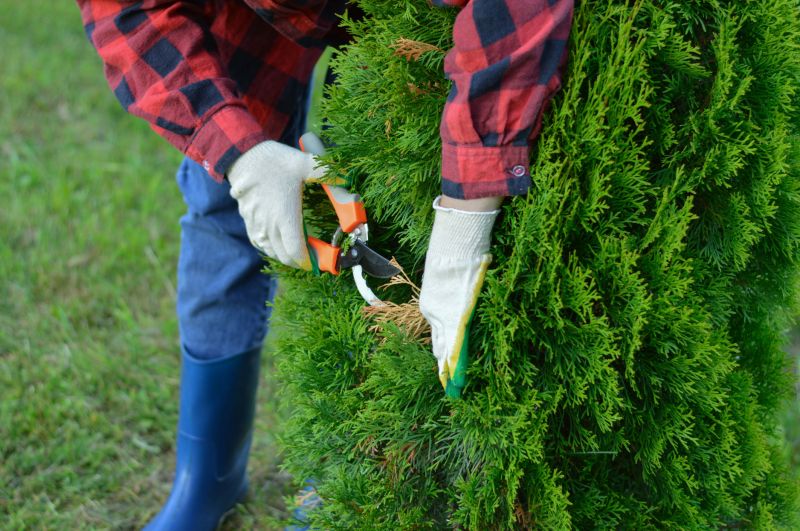
Arborist pruning services are often sought after by property owners in Lincoln County, MO who want to maintain the health and appearance of their trees. Regular pruning can help remove dead or diseased branches, improve air circulation, and shape trees to enhance curb appeal. These services are also useful for managing tree growth around structures, power lines, or other landscaping features, reducing potential hazards and ensuring safety on the property.
Homeowners and property managers in Lincoln County may also look for arborist pruning to prepare trees for seasonal changes or to promote better flowering and fruit production. Proper pruning can prevent storm damage by reducing the weight of heavy branches and minimizing the risk of falling limbs. Connecting with local tree care professionals can help address these everyday project needs efficiently and safely.
What is arborist pruning? Arborist pruning involves selectively trimming trees to improve their health, shape, and safety, performed by trained tree care professionals.
Why should I consider professional pruning services? Professional pruning can enhance the appearance of trees, promote healthy growth, and reduce the risk of falling branches or other hazards.
When is the best time to have trees pruned? The ideal time for pruning varies by tree species, but generally, late winter or early spring is suitable for most trees.
What types of pruning do local pros offer? Local arborists typically provide crown thinning, crown reduction, deadwood removal, and structural pruning services.
How do I find qualified arborist pruning services in Lincoln County, MO? Contacting local tree care providers or service companies can connect you with experienced arborists for pruning needs.
Tree Shaping and Crown Reduction - Local arborists can help shape and reduce tree crowns to improve tree health and maintain desired aesthetics.
Deadwood Removal - Professionals can safely identify and remove dead or diseased branches to promote overall tree vitality.
Structural Pruning - Skilled arborists can prune trees to enhance structural integrity and reduce the risk of branch failure.
Thinning and Crown Cleaning - Experts can thin out dense canopies and clear away debris to improve air circulation and light penetration.
Considering Arborist Pruning for a property in Lincoln County, MO? The sections above highlight common project types, practical options, and details that often shape the scope of work.
When you are ready, use the quote form to share a few details about your project. Local pros can review the basics and respond with options that match what you have in mind.